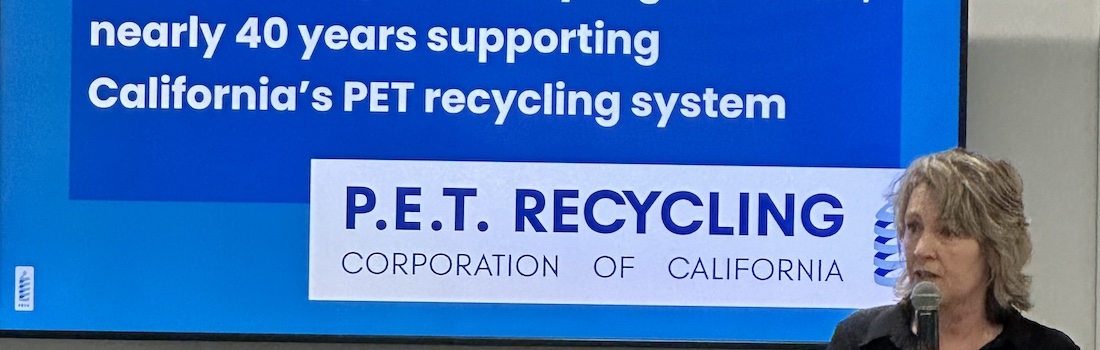
Sally Houghton, speaking at a UC Event

Todd Sutton, Todd Sutton
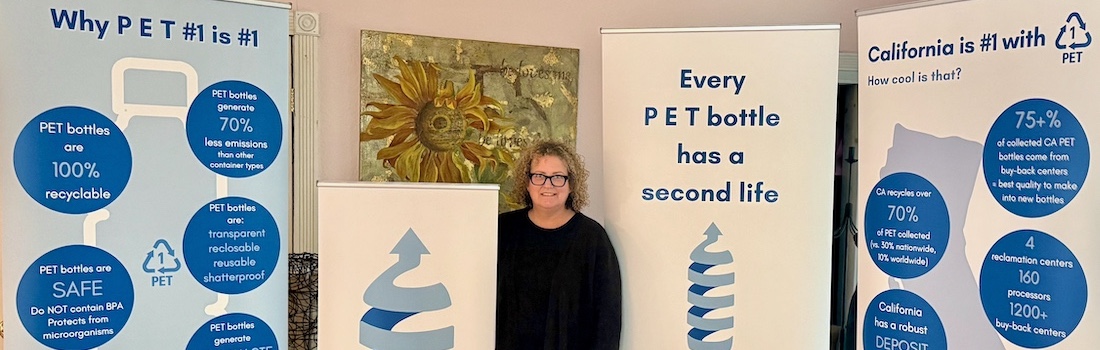
Michelle Clark, Education
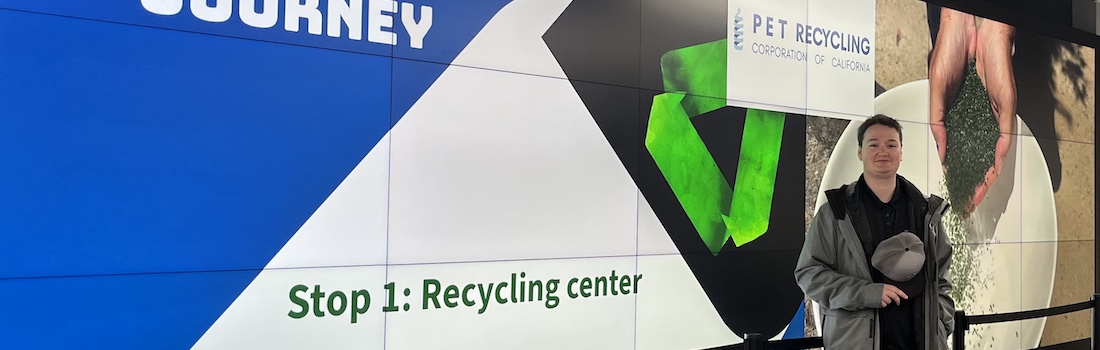
Return Bongiovanni, Media Man
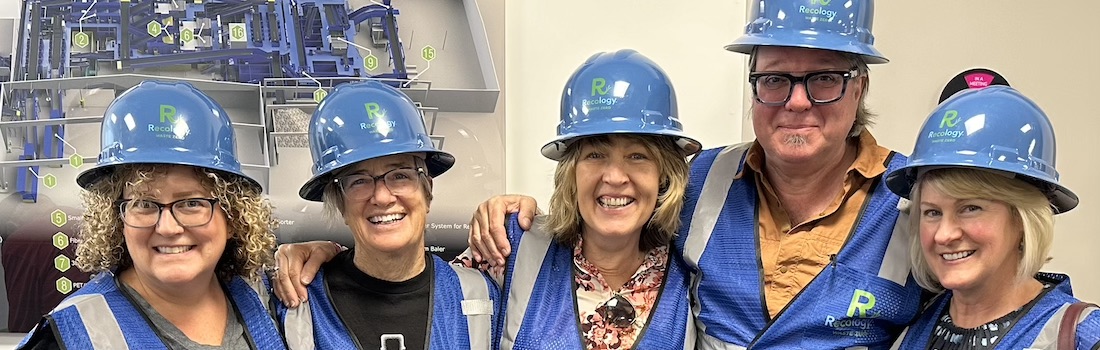
Michelle, Patty, Sally, Todd, Melanie
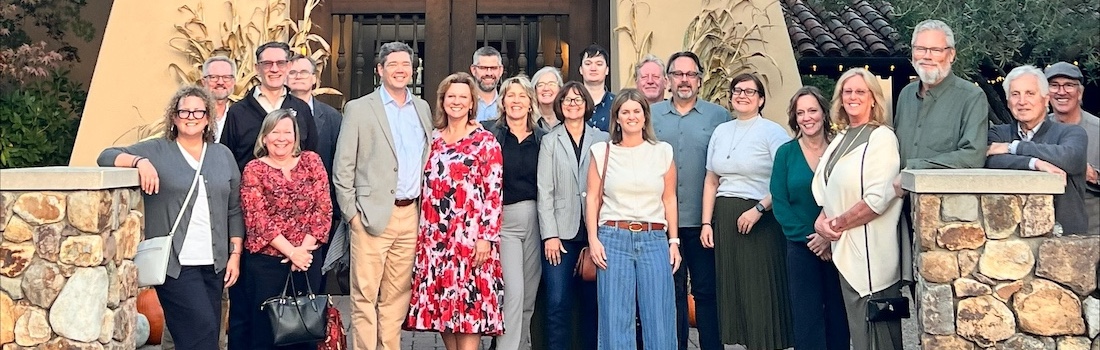
PRCC Board and Staff Dinner


We are number 1
PRCC recycles #1 PET (polyethylene terephthalate) beverage containers and ensures stable markets and increased value for PET collected in California.
PRCC offers transparent pricing, reliable volumes, and better service.
We help increase recycling awareness and changes in consumer behavior.
4,506,533,179 lbs of recycled PET sold (72,832,755,030 bottles returned) since 1995!
Our full-time quality inspector travels the state to ensure our PET bales are the best.
What’s Happening ...
 Sally Houghton, PRCC Executive Director
PET Market Update - April 2026
Oil markets have experienced significant changes, with crude prices exceeding $100 per barrel amid ongoing geopolitical tensions in the Middle East. This marks the first time since July 2022 that high-quality crude has sustained levels above $100, with a huge increase observed throughout March.
The impact on virgin PET resin supply has been substantial. The majority of virgin PET producers in Southeast Asia, have either suspended operations or they are operating at 50% capacity. In China, feedstock has been redirected from resin production to meet domestic energy requirements. Domestic virgin resin producers have also implemented surcharges on contracted volumes.
Elevated oil prices have also driven increases in logistics costs. Ocean freight rates from Asia to California have risen by approximately 30%, reducing the competitiveness of imported PET (both virgin and rPET).
These dynamics have had a positive impact on California’s rPET market. Demand has strengthened significantly, with a notable increase in both inquiries and confirmed orders. Reclaimers are actively drawing down existing inventory and increasing bale purchases to meet this demand. Domestic demand for California bales has risen accordingly.
At present, this increased demand has not yet fully translated into higher pricing for rPET flake and pellets; however, this is expected as market effects continue to work downstream. Notably, some packaging manufacturers have resumed sourcing California PET B bales. As recent as this week we have seen some bale prices go up.
There is also growing interest from buyers in Mexico, who are beginning to offer higher prices for California bales. While purchasing activity has not yet accelerated significantly, rising domestic bale prices in Mexico suggest that increased cross-border demand is likely. Upward pressure on California bale pricing is expected to follow, with corresponding increases in flake and pellet pricing anticipated.
Market conditions remain highly dynamic, with daily shifts in pricing and demand patterns. While the duration of current trends is uncertain, elevated oil prices are expected to persist through at least the third quarter. In the near term, PRCC anticipates continued strengthening in demand for both California bales and rPET, accompanied by upward pricing pressure across the value chain.
